What Does Za’atar Taste Like? Flavor, Tang & Best Uses
Quick answer: Za’atar tastes herbal, tangy, nutty, savory, and lightly toasted. The herbs bring a thyme/oregano-like character, sumac supplies tartness, and sesame seeds add nuttiness […]
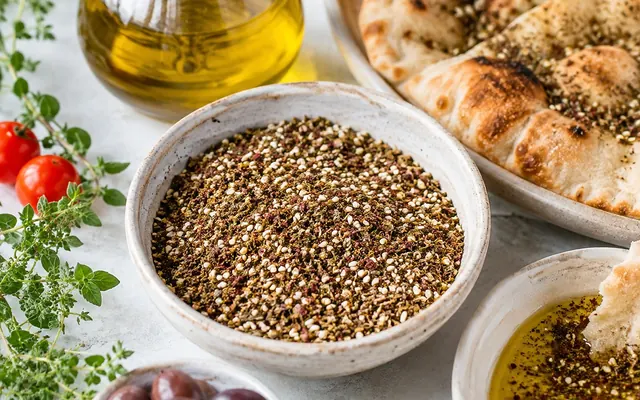
Quick answer: Za’atar tastes herbal, tangy, nutty, savory, and lightly toasted. The herbs bring a thyme/oregano-like character, sumac supplies tartness, and sesame seeds add nuttiness […]
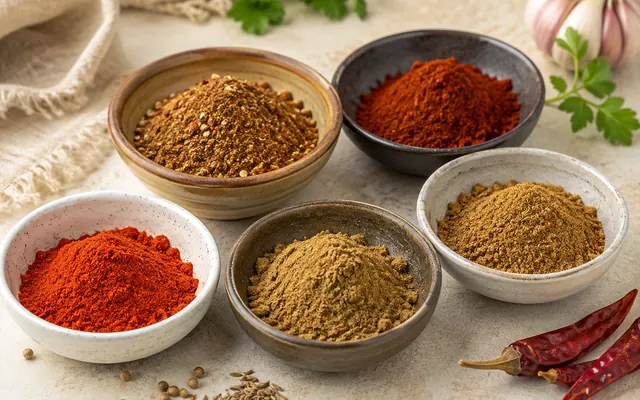
Quick answer: The best Berbere substitute is a homemade mix that combines chile heat with warm spices. If you need a ready-made shortcut, Harissa seasoning, […]
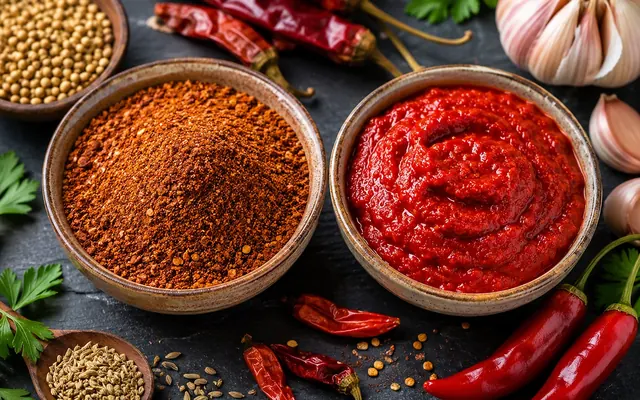
Quick answer: Berbere is usually a dry Ethiopian/Eritrean spice blend built around chile plus warm aromatic spices; Harissa is North African and most commonly encountered […]
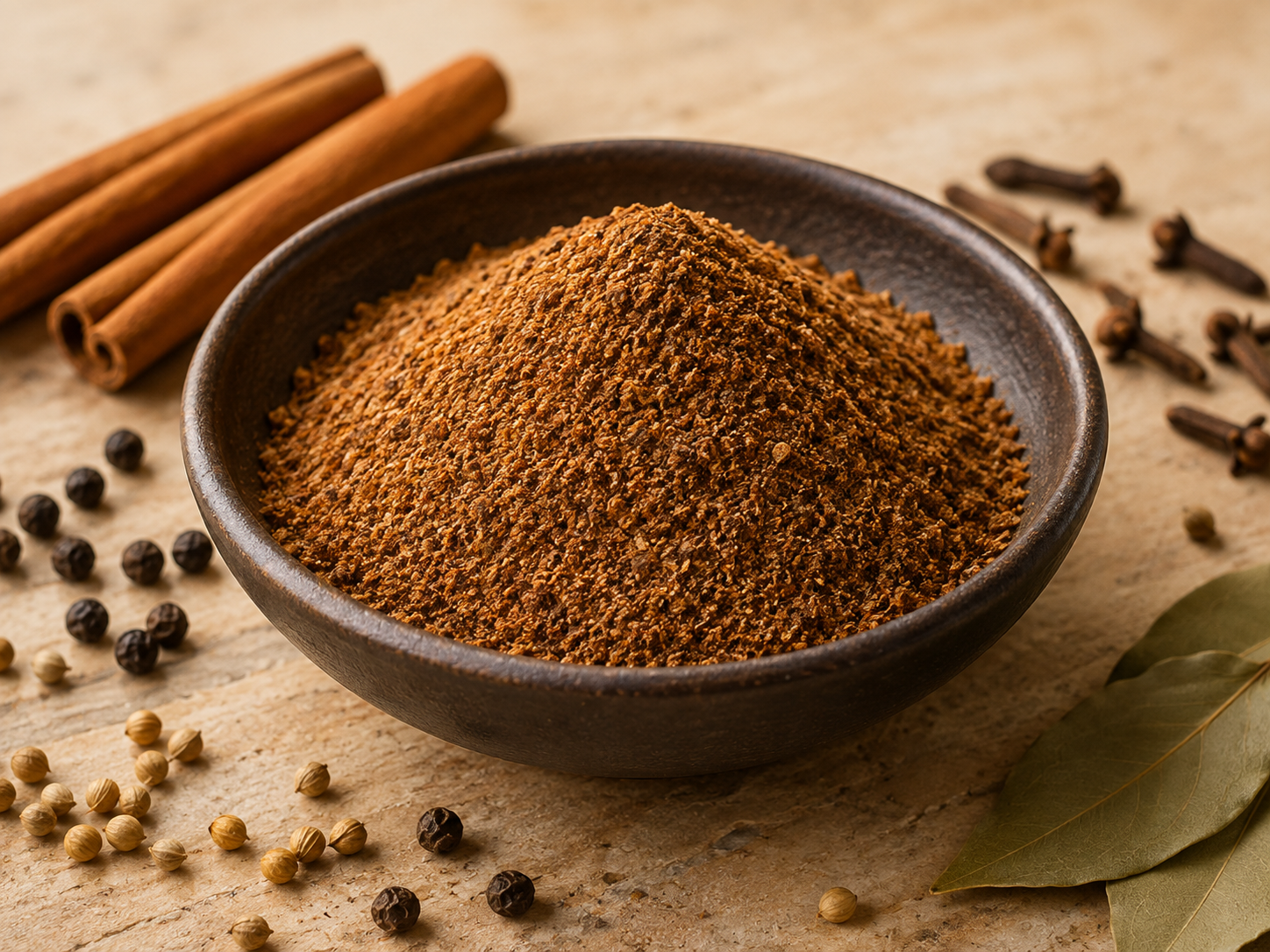
Berbere is chile-forward, warm, earthy and highly aromatic. Learn how hot it can be, what spices are common and how to cook with it.
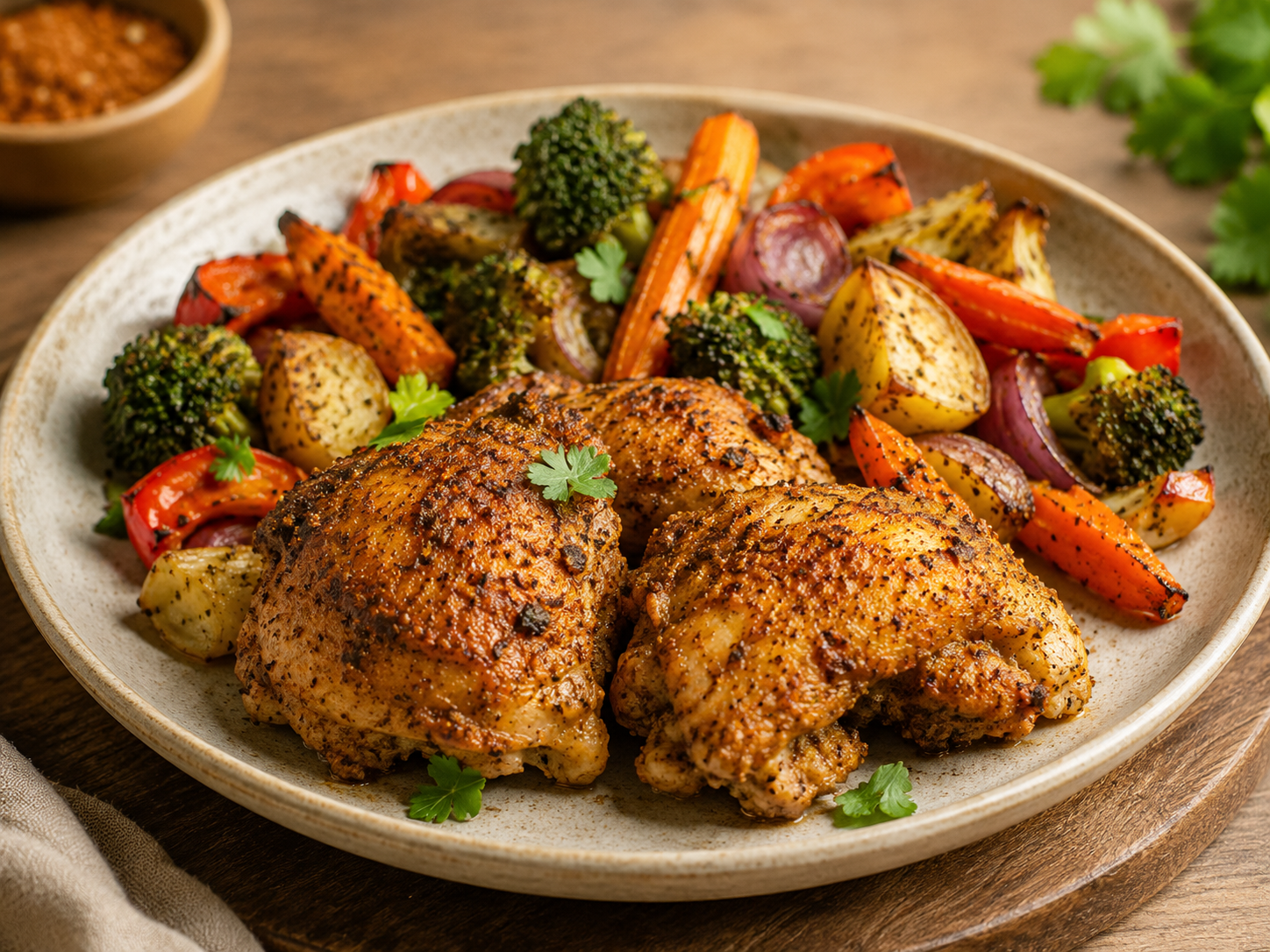
Use Baharat on chicken, beef, lamb, roasted vegetables, rice, lentils and more. Here are 12 simple ways to start cooking with it.
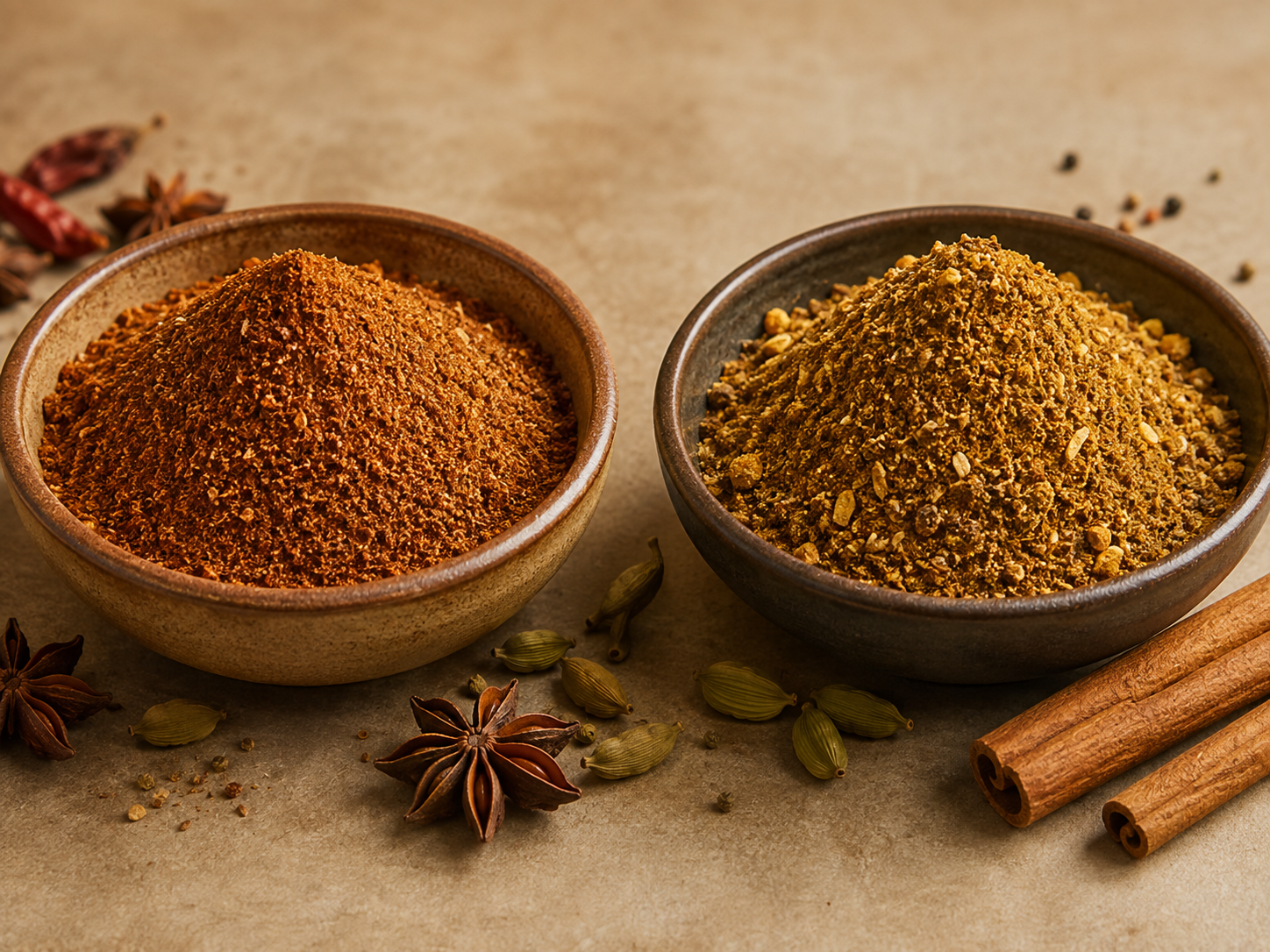
Baharat and Ras el Hanout overlap, but Baharat is usually warmer and pepperier while Ras el Hanout can be more complex and floral.
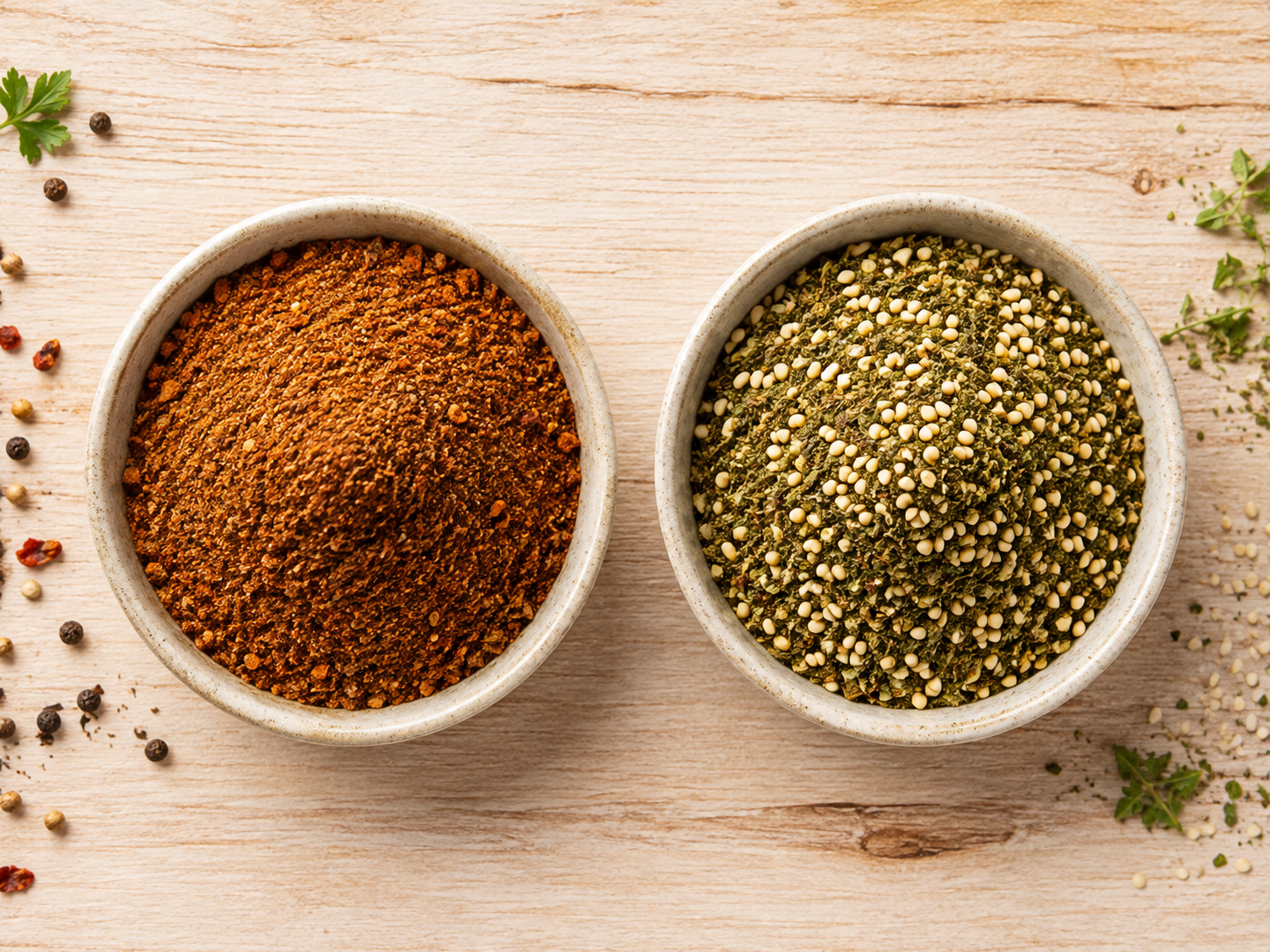
Baharat is warm, peppery and aromatic; Za'atar is herbal, tangy and nutty. Compare flavor, ingredients, uses and substitution.
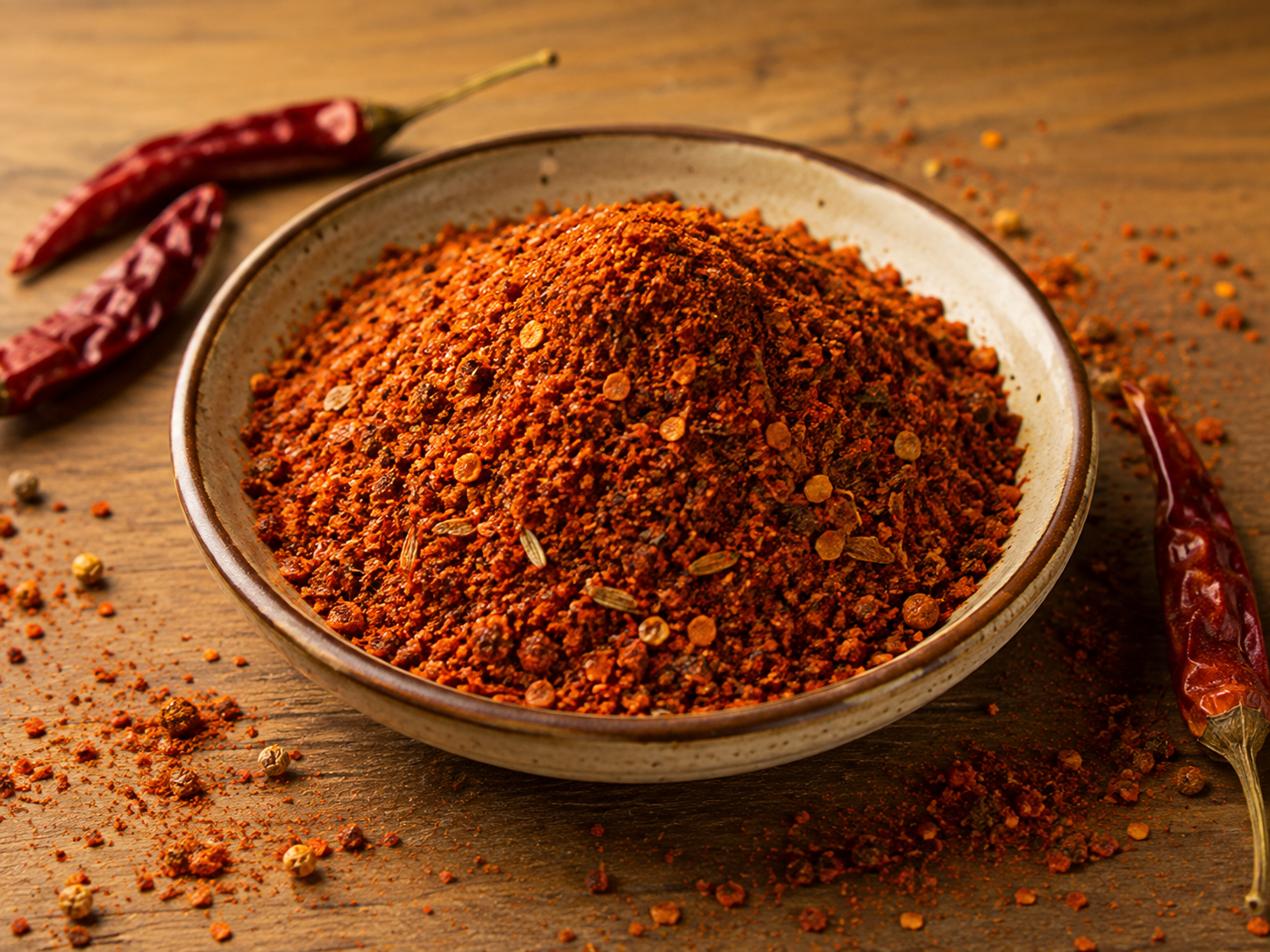
Baharat tastes warm, aromatic, peppery and gently sweet. Learn what creates its flavor, how hot it is and which foods suit it best.