Cumin vs Coriander: Taste, Uses & Substitutes
Cumin vs Coriander: What’s the Difference? Cumin and coriander are different spices with noticeably different flavors. Cumin is warm, earthy, nutty and slightly bitter, while […]

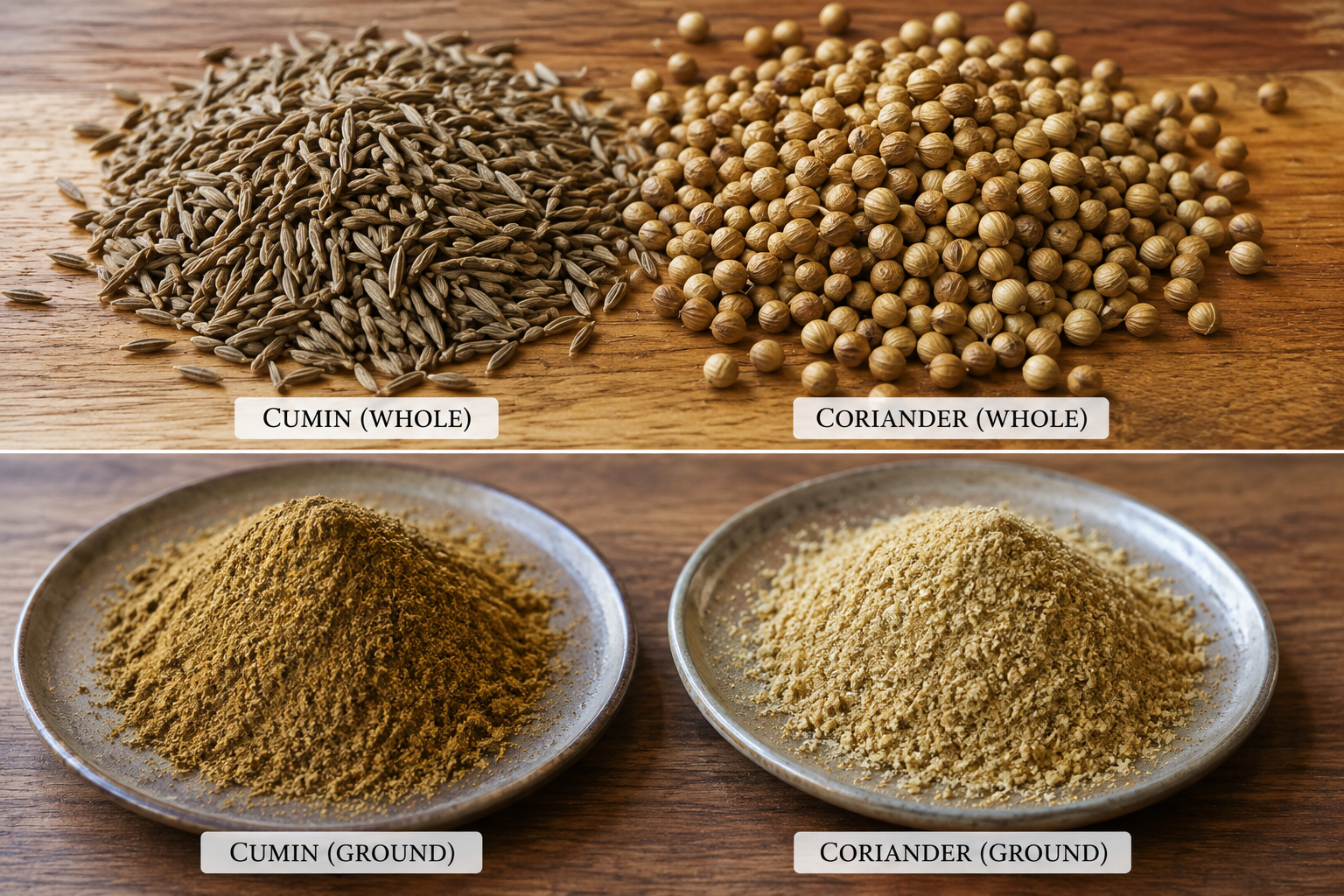
Cumin vs Coriander: What’s the Difference? Cumin and coriander are different spices with noticeably different flavors. Cumin is warm, earthy, nutty and slightly bitter, while […]
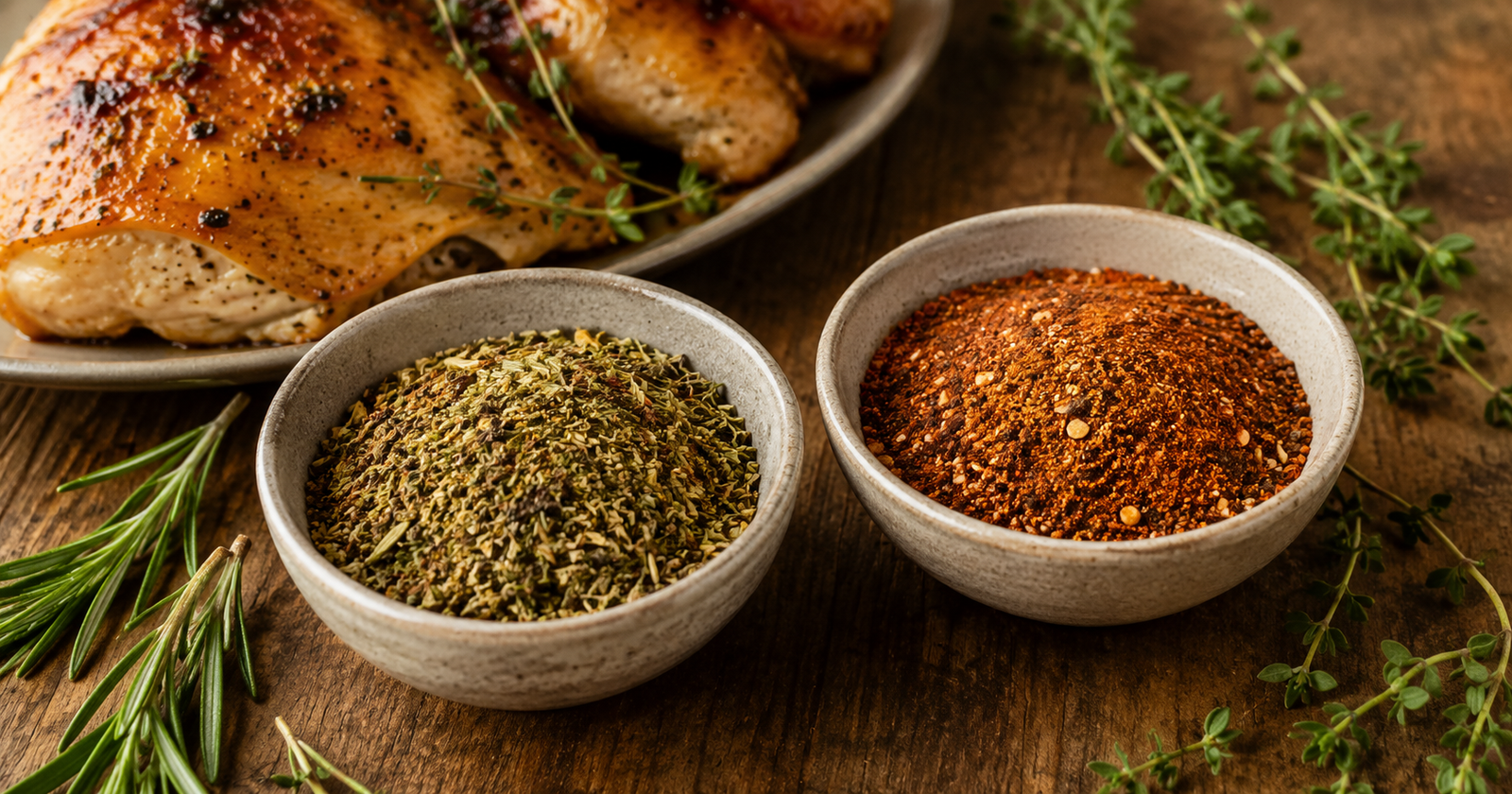
Quick answer: Poultry seasoning is usually an herb-forward blend based on ingredients such as sage, thyme, marjoram and rosemary. Chicken seasoning is a much broader […]
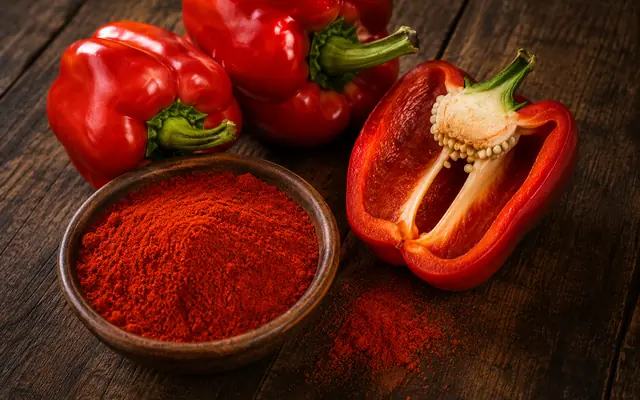
Quick answer: Paprika is made from ripe red peppers that are dried and ground into a fine powder. Most paprika peppers belong to the species […]
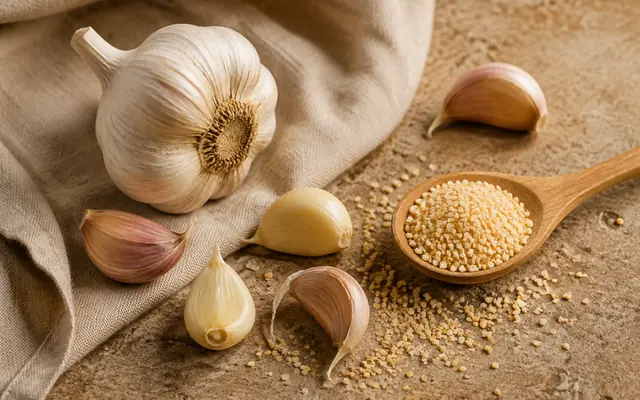
Quick answer: Fresh garlic is botanically a bulb vegetable. In cooking, it is usually described as an aromatic rather than a spice. Once garlic is […]
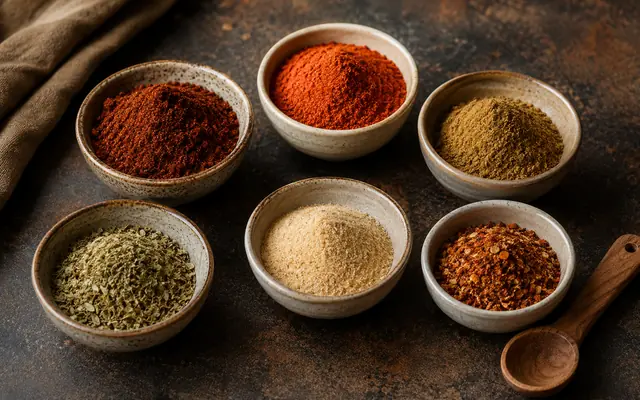
Quick answer: The best chili powder substitute is a simple homemade blend of ancho chile powder, cumin, garlic powder and oregano. If you need one […]
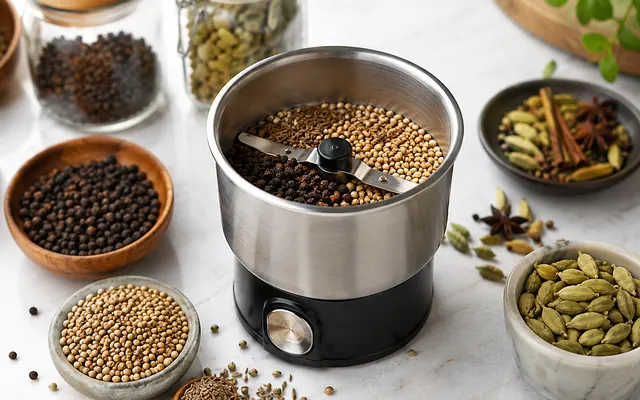
Quick answer: Paprika is usually a single ground-pepper spice, while American chili powder is usually a blend containing ground chilies plus other seasonings such as […]

Quick answer: Herbs usually come from the leafy green parts of plants, while spices generally come from seeds, bark, roots, fruits, flowers or other non-leafy […]
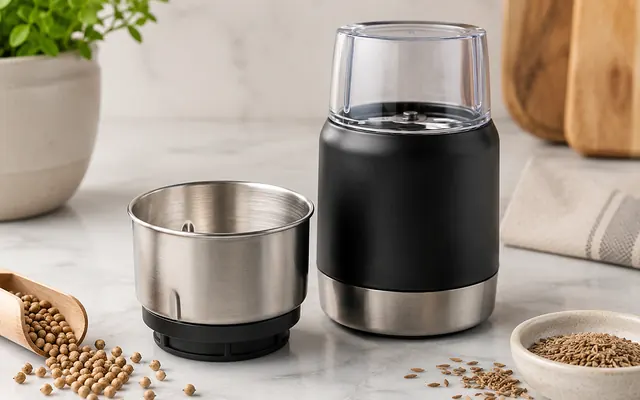
Quick answer: A spice is usually a plant-derived ingredient such as a seed, bark, root, fruit or flower used for flavor. A seasoning is a […]
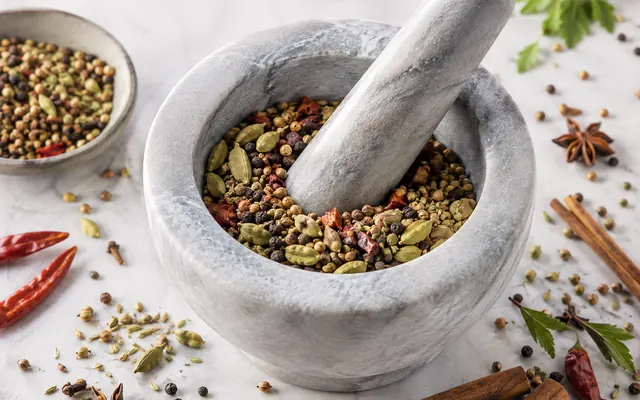
Quick answer: A practical starter spice collection should cover heat, warmth, earthiness, sweetness and herbs. For most kitchens, black pepper, paprika, cumin, coriander, chili flakes, […]
Quick answer: Cayenne pepper is a fine, concentrated powder made from hot chilies, while chili flakes are coarser pieces of dried chili and often include […]