Cumin vs Coriander: Taste, Uses & Substitutes
Cumin vs Coriander: What’s the Difference? Cumin and coriander are different spices with noticeably different flavors. Cumin is warm, earthy, nutty and slightly bitter, while […]

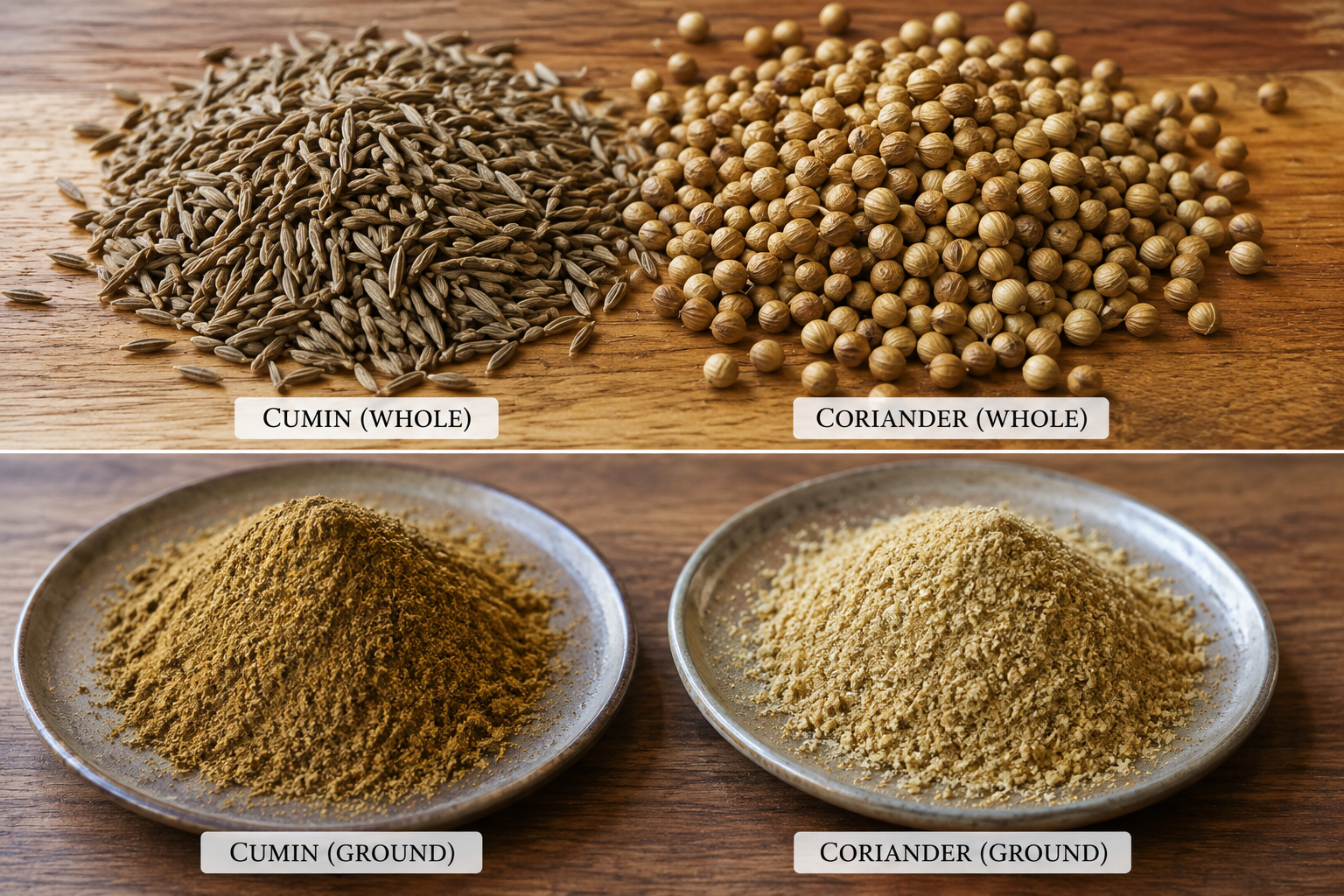
Cumin vs Coriander: What’s the Difference? Cumin and coriander are different spices with noticeably different flavors. Cumin is warm, earthy, nutty and slightly bitter, while […]
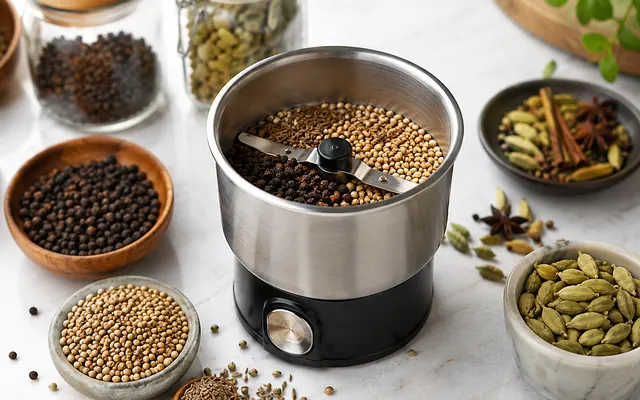
Quick answer: Paprika is usually a single ground-pepper spice, while American chili powder is usually a blend containing ground chilies plus other seasonings such as […]

Quick answer: Herbs usually come from the leafy green parts of plants, while spices generally come from seeds, bark, roots, fruits, flowers or other non-leafy […]

Quick answer: A spice is usually a plant-derived ingredient such as a seed, bark, root, fruit or flower used for flavor. A seasoning is a […]
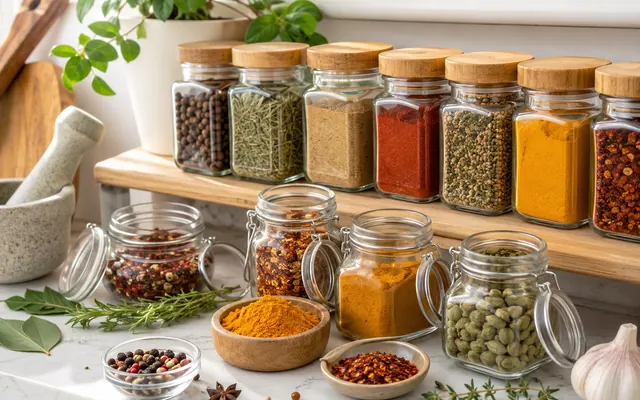
Quick answer: Cayenne pepper is a fine, concentrated powder made from hot chilies, while chili flakes are coarser pieces of dried chili and often include […]
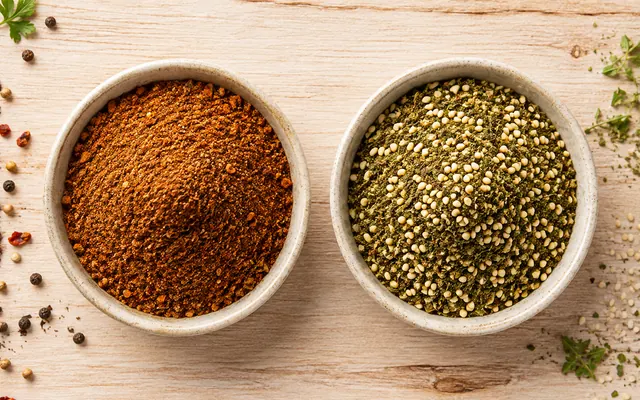
Quick answer: Cayenne pepper is a single ground chili and is usually much hotter. American-style chili powder is typically a seasoning blend containing ground chilies […]
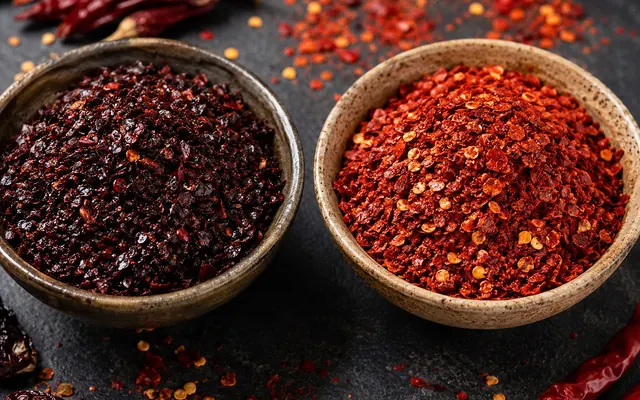
Quick answer: Aleppo pepper is milder, fruitier, and more complex than standard red pepper flakes. Red pepper flakes are usually hotter, sharper, and more one-note. […]
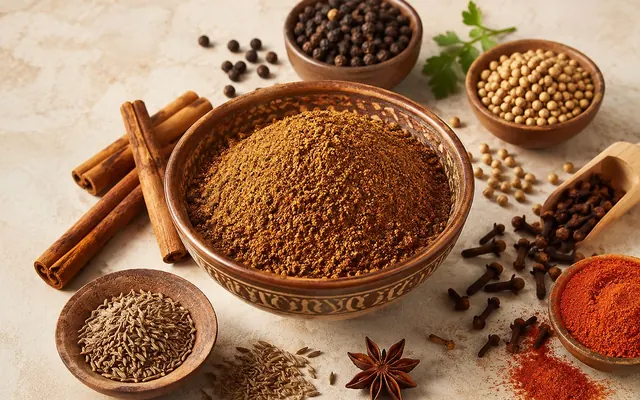
Quick answer: Lebanese 7 spice is usually a regional style of Baharat rather than a completely separate category. In practice, Lebanese 7 spice tends to […]
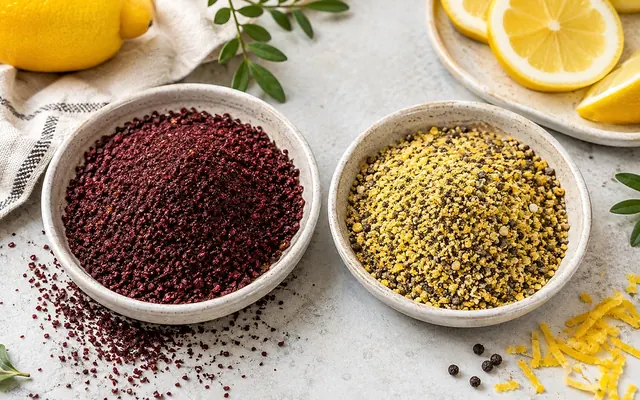
Quick answer: Sumac is a tangy, fruity spice made from dried berries, while lemon pepper is a seasoning blend usually made from lemon zest, pepper, […]
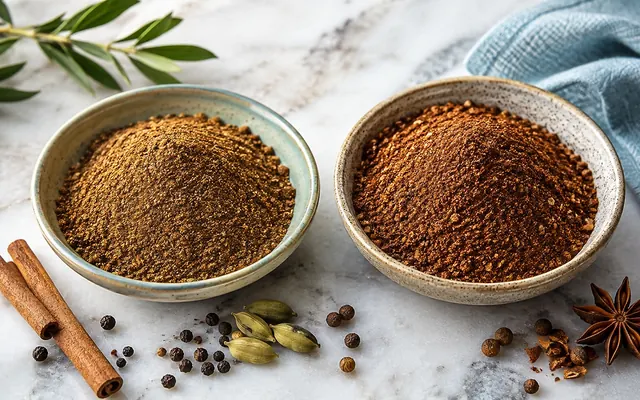
Quick answer: Baharat is a broad Middle Eastern spice blend built around warm aromatics such as black pepper, cumin, coriander, cinnamon, and cardamom. Shawarma seasoning […]