Ras el Hanout vs Garam Masala: What’s the Difference?
Quick answer: Ras el Hanout and Garam Masala are both warm, aromatic spice blends, but they come from different culinary traditions and usually emphasize different […]

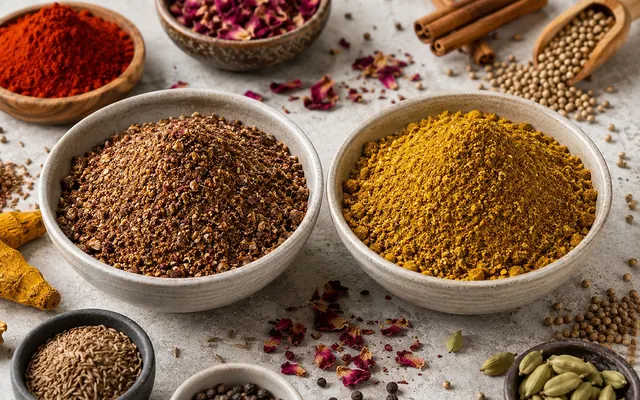
Quick answer: Ras el Hanout and Garam Masala are both warm, aromatic spice blends, but they come from different culinary traditions and usually emphasize different […]
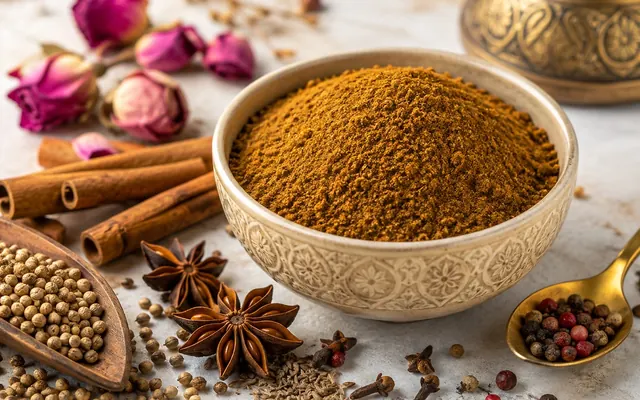
Quick answer: Ras el Hanout is a North African spice blend, especially associated with Moroccan cooking. It usually tastes warm, aromatic, layered, and sometimes floral, […]
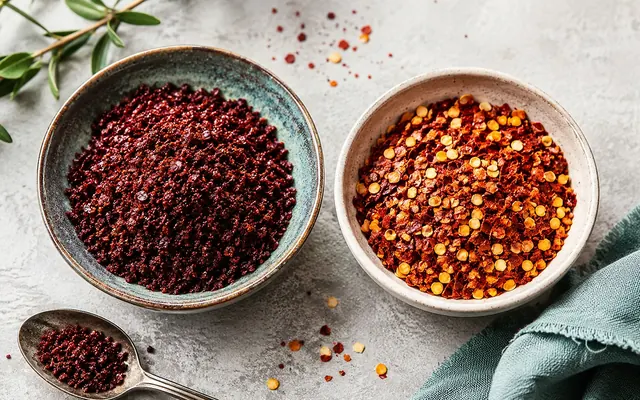
Quick answer: Urfa Biber is darker, smokier, sweeter, and more raisin-like, while Aleppo pepper is brighter, fruitier, and generally more straightforward as an everyday chile […]
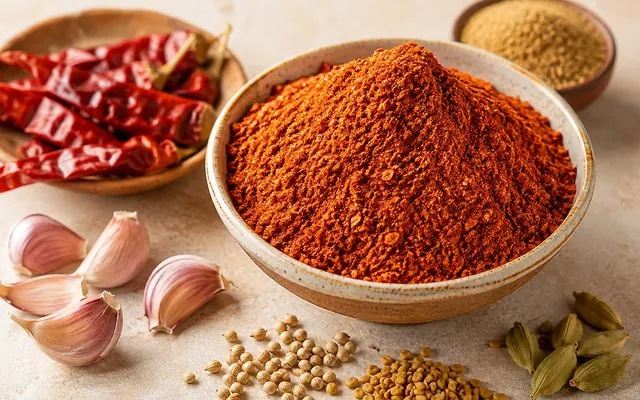
Quick answer: Aleppo pepper tastes fruity, gently spicy, slightly tangy, and deeply peppery, with less aggressive heat than many standard crushed red-pepper flakes. It is […]
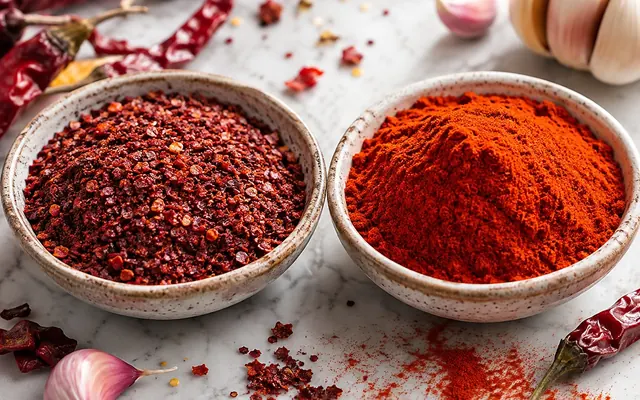
Quick answer: Aleppo pepper is usually fruitier, tangier, and more noticeably spicy than sweet paprika. Paprika is typically milder, smoother, and better when you mainly […]
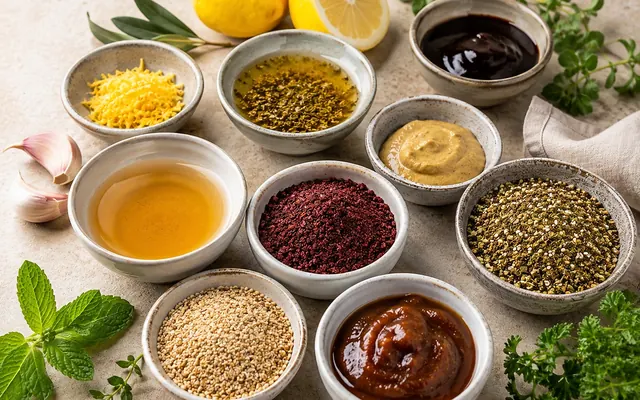
Quick answer: The easiest Sumac substitute is lemon zest for dry citrus aroma, or lemon juice when extra liquid is acceptable. Za’atar can work when […]
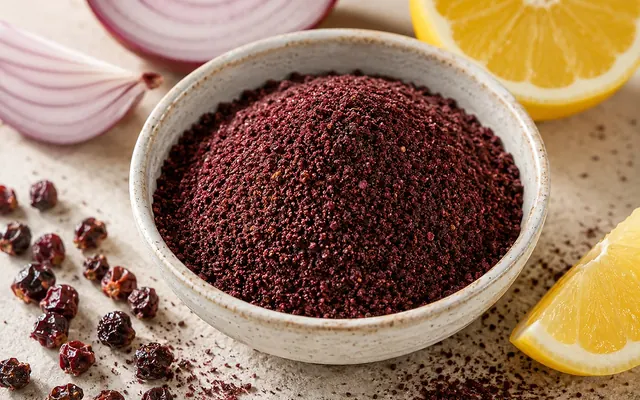
Quick answer: Culinary Sumac tastes tart, bright, fruity, and lemon-like, with a dry acidity that can freshen food without adding liquid. It is not normally […]
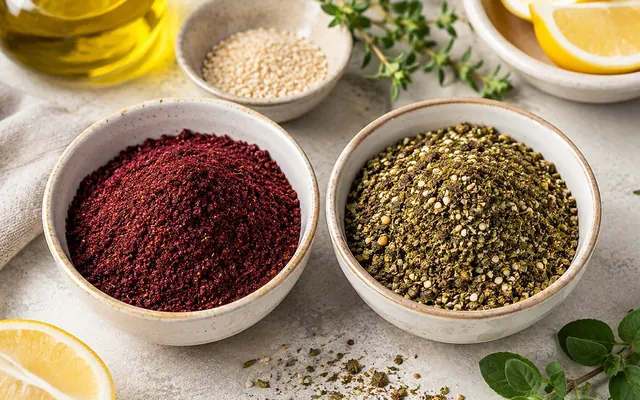
Quick answer: Sumac is a single tart spice made from dried sumac berries, while Za’atar is a seasoning blend that often contains sumac plus herbs, […]
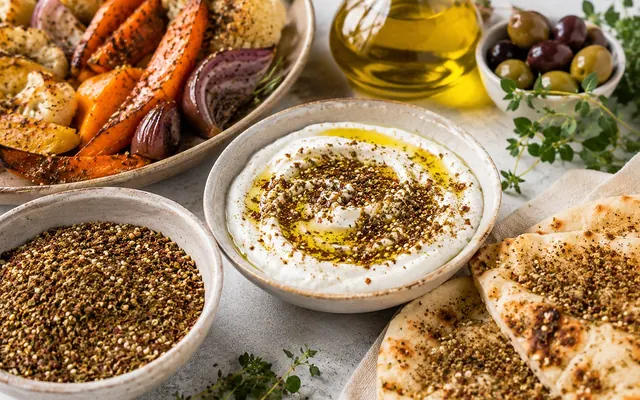
Quick answer: Za’atar is easiest to use as a finishing seasoning, an olive-oil mixture, or a crust for roasted foods. It works especially well with […]
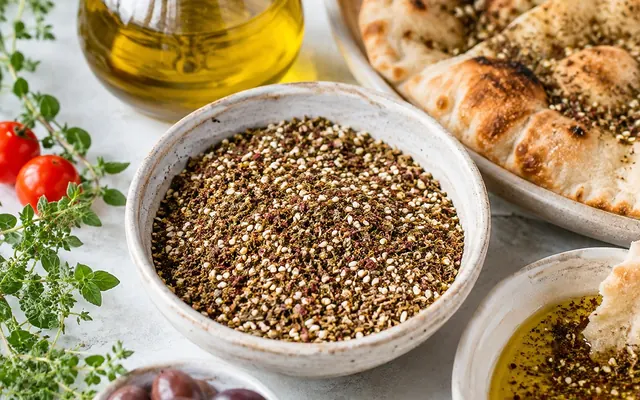
Quick answer: Za’atar tastes herbal, tangy, nutty, savory, and lightly toasted. The herbs bring a thyme/oregano-like character, sumac supplies tartness, and sesame seeds add nuttiness […]