
What Does Berbere Taste Like? Heat, Flavor & Best Uses
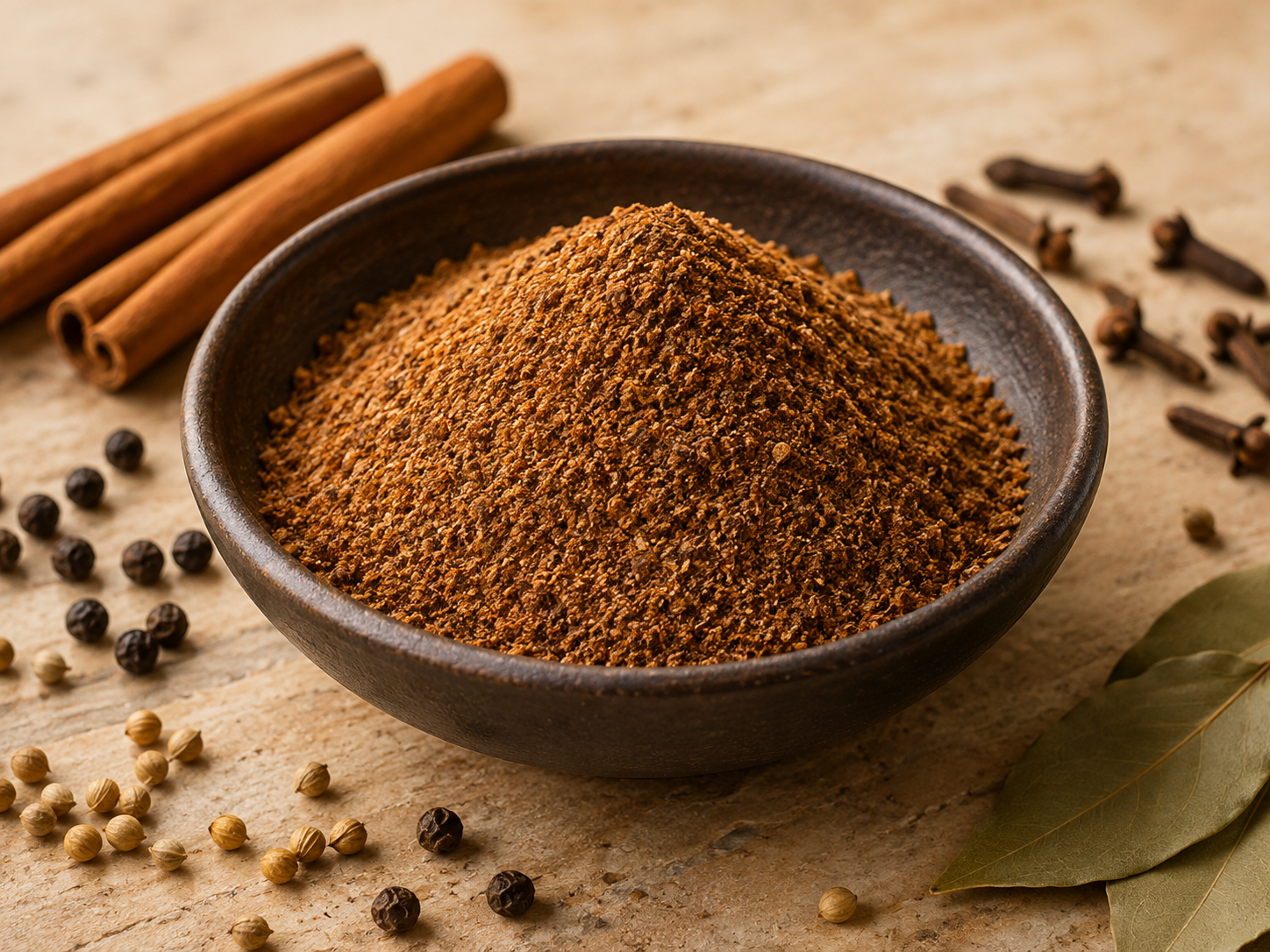
Quick answer: Berbere tastes bold, chile-forward, earthy, warm, and deeply aromatic. Compared with Baharat or Za’atar, it is usually much hotter and more assertive, with layers from spices such as fenugreek, coriander, cumin, ginger, cardamom, cinnamon, or cloves depending on the blend.
What Does Berbere Taste Like? Flavor at a Glance
What is Berbere?
Berbere is a foundational spice blend in Ethiopian and Eritrean cooking. There is no single household formula. Chile is usually central, while other ingredients may include fenugreek, coriander, cumin, garlic, ginger, cardamom, cloves, cinnamon, nigella, or other regional spices.
Berbere flavor profile
| Quality | What it contributes |
|---|---|
| Chile heat | The first thing many people notice |
| Earthiness | Often from fenugreek, cumin, and coriander |
| Warm aroma | Spices such as cinnamon, cloves, cardamom, or ginger |
| Savory depth | Develops strongly in stews and cooked sauces |
| Possible smokiness | Depends on the chiles and processing |
How hot is Berbere?
It can range from medium to genuinely hot. The chile type and proportion matter, so the safest approach with an unfamiliar blend is to start at half your intended amount and build up. A bright red jar can look intimidating, but color alone does not tell you exact heat.
What does it smell like?
Good Berbere should smell like more than chile powder. Under the heat you should notice warm and earthy aromas. Fenugreek can give a slightly nutty, almost maple-like undertone, while cardamom or clove can lift the top of the aroma.
Best foods for Berbere
- Lentils: one of the easiest places to appreciate the blend because lentils absorb spice so well.
- Chicken: especially in slow-cooked preparations or robust marinades.
- Beef: strong enough to stand up to rich meat.
- Chickpeas and beans: excellent when you want a pantry meal with serious flavor.
- Roasted vegetables: cauliflower, squash, carrots, and sweet potato all work.
- Eggs: use a small amount because the heat is immediately noticeable.
How much should you use?
For a new blend, start around 1/2 teaspoon per pound (450 g) of food and taste. If you already know the blend is mild, you may use more. In a stew, add some early for depth and reserve a tiny amount to adjust near the end.
Berbere vs Harissa
Berbere and Harissa can both be hot, but Berbere is usually a dry blend with a more layered warm-spice profile. Harissa is often sold as a paste and tends to emphasize chile, garlic, and a brighter sauce-like character.
What if Berbere is too hot?
Do not try to “cancel” the heat with more salt. Dilute the dish with more of the base ingredient, add a creamy component such as yogurt where appropriate, or serve it with a mild starch. In a stew, extra tomato, lentils, beans, or stock may help spread the heat.
What to look for when buying Berbere
Check the ingredient list. A blend made almost entirely from generic chile powder will taste flatter than one with a clear supporting cast of aromatic spices. Freshness matters because the non-chile spices are a major part of what makes Berbere interesting.
How Berbere changes in a stew
Berbere can taste surprisingly sharp when sampled dry. In a stew, the chile heat spreads through the liquid while the warm spices become more integrated. Onion, tomato, fat, and long cooking can turn an initially aggressive spoonful into something deeper and more rounded. This is why tasting the dry powder alone can make a blend seem hotter than it will feel in a complete dish.
How to balance Berbere
Richness and acidity are useful partners. Tomato, clarified butter or another cooking fat, lemon, yogurt on the side, and mild starches can all help create balance. The goal is not to hide the blend but to give the heat enough supporting flavor. If the dish contains only chile, salt, and a bland base, Berbere can feel one-dimensional even when the seasoning itself is good.
Frequently asked questions
Is Berbere hotter than curry powder?
Usually yes, although both categories vary widely. Berbere is commonly more chile-forward.
Does Berbere contain salt?
Some commercial blends do. Check the label so you do not accidentally over-salt the dish.
Can I use Berbere as a dry rub?
Yes. It works well on chicken, beef, tofu, and vegetables, but start with a moderate amount because the heat can build.
Is Berbere the same as Ethiopian chili powder?
It is more than plain chile. Traditional-style blends combine chile with a range of aromatic spices.