
How to Use Baharat Seasoning: 12 Easy Ideas
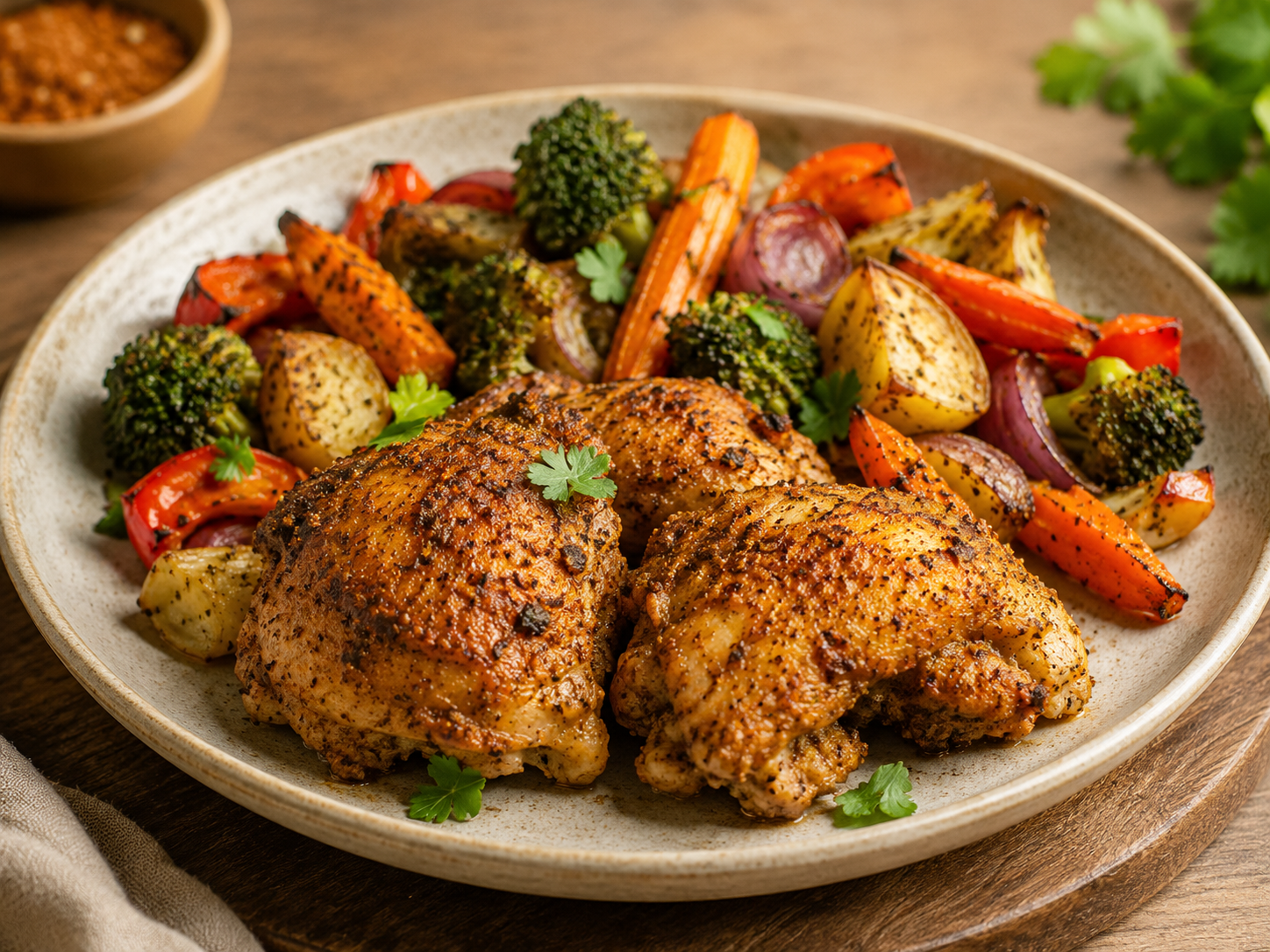
If you have a jar of Baharat and are not sure what to do with it, start simple. Baharat works best anywhere a dish can benefit from warm, savory, peppery depth. You do not need a traditional recipe every time; it can also be treated as an all-purpose seasoning for meat, vegetables and grains.
Because Baharat recipes vary, taste a tiny pinch of your blend before cooking. A pepper-heavy blend can take more generous seasoning than one dominated by cloves or cinnamon.
1. Season chicken before roasting
Mix Baharat with salt and a little olive oil, then coat chicken thighs or breasts before roasting. Chicken is one of the easiest foods for learning the blend because it does not hide the aroma.
For your first attempt, start conservatively and add more next time if you want a stronger spice crust.
2. Add it to ground beef or lamb
Baharat works very well in meatballs, kofta-style mixtures and burgers. Add it while mixing the meat so the seasoning is distributed throughout rather than only sitting on the surface.
3. Use it as a rub for beef or lamb
For larger cuts, combine Baharat with salt and enough oil to make a thin paste. Rub it over the meat before cooking. The oil helps the ground spices cling evenly.
4. Roast potatoes with Baharat
Cut potatoes into wedges or cubes, add oil, Baharat and salt, then roast until browned. This is a particularly useful test recipe because potatoes carry the seasoning without introducing many other flavors.
5. Season carrots, cauliflower or squash
Sweet vegetables are excellent with warm spices. Baharat can make carrots and squash taste deeper without turning them into a sweet dish. Cauliflower takes on the blend especially well when roasted until the edges brown.
6. Stir it into rice
Add a small amount of Baharat to the cooking fat before the rice and liquid go into the pot. Brief contact with warm oil helps release aroma. Keep the heat moderate so the spice does not scorch.
7. Use it in bulgur or couscous
A pinch of Baharat can turn a plain grain side dish into something that works naturally with grilled chicken, lamb, chickpeas or roasted vegetables.
8. Add depth to lentils and chickpeas
Baharat pairs well with earthy legumes. Add it to sautéed onion and oil before the lentils, chickpeas or cooking liquid. Tomato, lemon and yogurt all work well alongside it.
9. Put it in tomato-based stews
Tomato can handle aromatic spice without becoming heavy. Add Baharat early enough that it has time to integrate into the sauce, then taste again near the end.
10. Make a quick yogurt marinade
Combine plain yogurt, Baharat, salt and a little lemon juice. Use it for chicken or vegetables. Yogurt helps carry the spice over the surface and can soften the intensity of pepper and warm aromatics.
11. Season eggs
A small pinch works in scrambled eggs or on fried eggs. Start with less than you think you need: eggs have a delicate flavor and can be overwhelmed by a clove-heavy blend.
12. Add a little to toasted nuts
Warm nuts in a pan or oven with a tiny amount of oil, Baharat and salt. This works well with almonds, cashews or mixed nuts. Watch them closely because both nuts and ground spices can burn.
How much Baharat should you use?
There is no universal dose because blends vary. For meat, a practical starting point is around 1 teaspoon per 450 g / 1 lb. For rice, vegetables or legumes, begin with a smaller amount, taste and build gradually.
If your blend contains a lot of black pepper, it may tolerate a heavier hand. If cloves, cinnamon or cardamom are prominent, smaller amounts can have a large effect.
Should you fry Baharat in oil?
Briefly warming it in oil can improve aroma, especially for rice, stews and legumes. The key word is briefly. Ground spices can go from fragrant to bitter quickly on high heat.
Heat the oil, lower the temperature if necessary, add the spice for a short moment, then add the next ingredient or liquid.
What flavors pair well with Baharat?
- lemon;
- plain yogurt;
- garlic;
- onion;
- tomato;
- parsley and mint;
- olive oil;
- chickpeas and lentils;
- roasted nuts.
Three common mistakes
Using too much before tasting the blend
Baharat is not standardized. One teaspoon from one brand may be much stronger than one teaspoon from another.
Burning the ground spices
Very high heat can make the blend bitter, especially when it is sitting directly in a dry pan.
Forgetting to check for salt
Some commercial seasoning blends include salt and others do not. Check the label before seasoning the rest of the dish.
Want to understand the flavor first?
Read What Does Baharat Taste Like?. And if you are choosing between blends, see Baharat vs Za’atar or Baharat vs Ras el Hanout.
Frequently asked questions
Can I put Baharat on vegetables?
Yes. Potatoes, carrots, cauliflower, squash and eggplant are all good starting points.
Can Baharat be used after cooking?
A tiny amount can be used as a finishing seasoning, but the blend usually tastes more integrated when it has some contact with heat and fat during cooking.
Does Baharat need salt?
Often yes, because many Baharat blends are sold without salt. Check the ingredient list on your specific product.
Can I use Baharat every day?
There is no culinary reason you cannot use it frequently. The more useful question is whether the flavor fits the dish and whether your particular blend contains added salt.