
What Does Baharat Taste Like? A Practical Flavor Guide
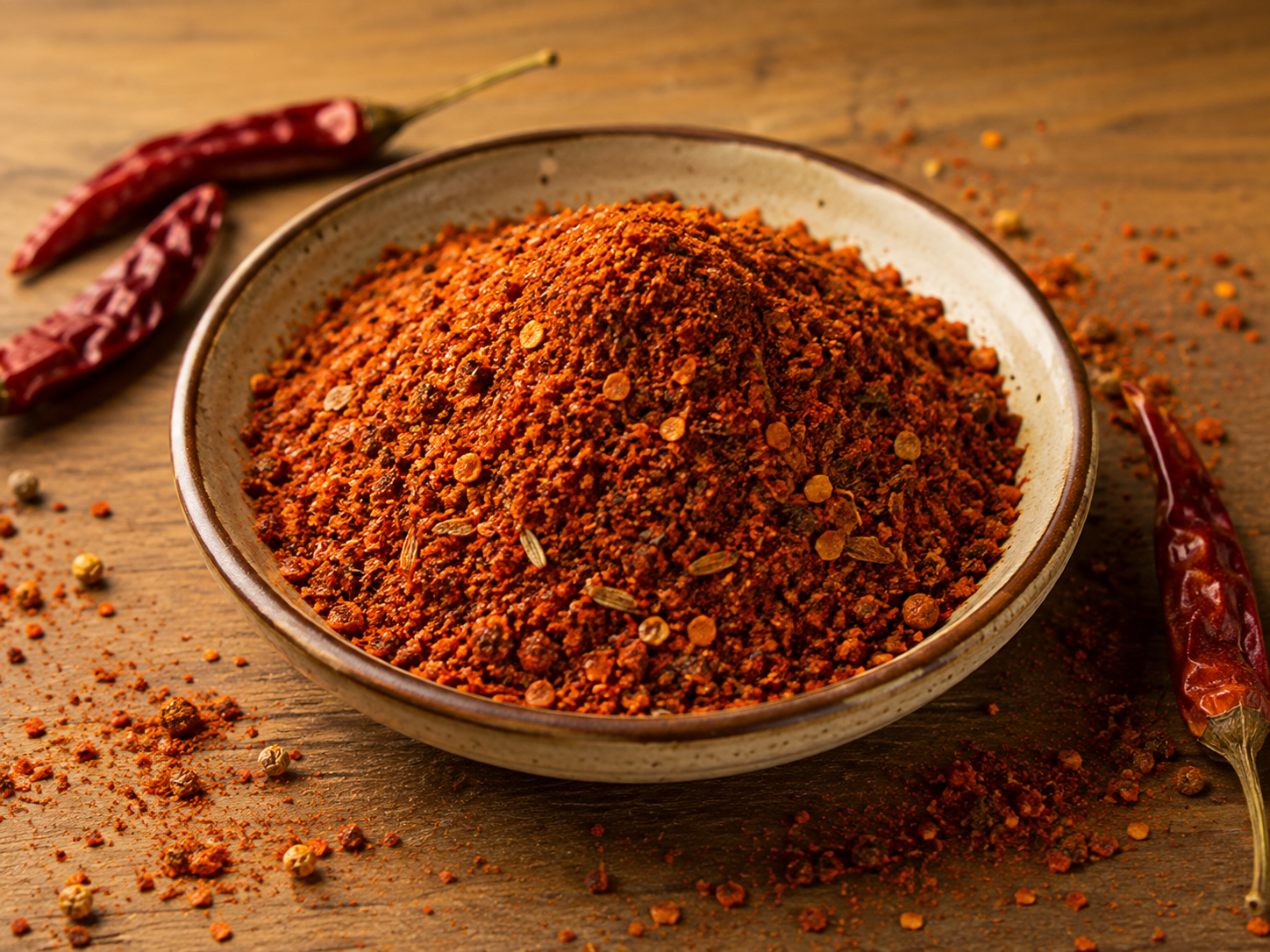
Quick answer: Baharat is usually warm, peppery, aromatic, gently sweet, and earthy rather than aggressively hot. A typical blend combines savory spices such as cumin and coriander with black pepper and warmer notes from cinnamon, allspice, cloves, or nutmeg.
What Does Baharat Taste Like? Flavor at a Glance
Baharat is one of those blends that can smell familiar even when you cannot immediately name every spice in it. That is because it often brings together ingredients that appear in both savory cooking and baking. The result is not sweet in the way dessert is sweet; instead, the cinnamon-like notes round out pepper, paprika, cumin, and coriander.
What does Baharat actually taste like?
The easiest way to describe Baharat is warm and balanced. It usually has enough black pepper to feel lively, but it is not normally a chile-heavy blend. Cumin and coriander bring an earthy, citrusy base, while paprika can add mild sweetness and a fuller red-pepper character. Cinnamon, allspice, nutmeg, cardamom, or cloves may appear in smaller amounts and give the blend its distinctive aromatic lift.
| Flavor note | What you may notice | Common contributors |
|---|---|---|
| Warm | Round, comforting aroma | Cinnamon, allspice, cloves |
| Peppery | Gentle bite without strong chile heat | Black pepper |
| Earthy | Deep savory background | Cumin, coriander |
| Slightly sweet | Aromatic sweetness, not sugar | Cinnamon, nutmeg, paprika |
| Fragrant | Complex aroma before the food even reaches your mouth | Cardamom, coriander, cloves |
Is Baharat spicy?
Usually, not very. Some blends include chile or a generous amount of black pepper, but Baharat is typically used for aromatic depth rather than serious heat. If you are sensitive to spice, start with a smaller amount, especially with an unfamiliar brand. Two jars labeled “Baharat” can taste noticeably different because there is no single universal formula.
What does Baharat smell like?
Before tasting it, smell the blend. Fresh Baharat should have a clear pepper-and-warm-spice aroma rather than smelling dusty. You may notice coriander first, then something almost cinnamon-like, followed by cumin or cardamom. The aroma becomes deeper when the seasoning hits warm oil or the surface of roasting meat.
What foods work best with Baharat?
Its biggest strength is versatility. It is especially comfortable with foods that can handle a warm savory seasoning.
- Beef and lamb: excellent in meatballs, burgers, kebabs, and slow-cooked dishes.
- Chicken: easy to use in a dry rub or yogurt-and-lemon marinade.
- Rice: a small amount gives pilaf or plain rice more depth.
- Lentils and chickpeas: the earthiness of the blend matches legumes naturally.
- Roasted vegetables: especially carrots, cauliflower, squash, onions, and potatoes.
- Tomato dishes: useful in tomato-based stews because it adds complexity without needing many separate jars.
How much Baharat should you use?
For a first attempt, use about 1 teaspoon per pound (450 g) of meat, or roughly 1/2 to 1 teaspoon for a pan of vegetables or a medium pot of rice. Taste and increase from there. A very aromatic blend may need less, while an older blend may seem weaker.
How does cooking change the flavor?
Dry Baharat can smell sharp and perfumed straight from the jar. Cooking softens those edges. Fat helps carry the aromatic compounds, so a little olive oil, butter, yogurt, or meat fat can make the seasoning taste more rounded. Avoid scorching the powder in a very hot dry pan: delicate spices can turn bitter if burned.
Baharat vs similar blends
If you are deciding between blends, think about the direction you want the dish to take. Baharat and Za’atar are very different: Za’atar is greener, tangier, and nuttier. Baharat and Ras el Hanout overlap more, but Ras el Hanout often feels more complex and perfumed.
What should you look for when buying Baharat?
Read the ingredient list instead of assuming every brand will taste the same. If black pepper, cumin, coriander, and paprika appear prominently, expect a savory blend. If cinnamon, allspice, cloves, or cardamom are higher in the list, expect a sweeter, more aromatic profile. Freshness matters too: a fragrant, recently packed blend will usually give you more flavor with less powder.
Frequently asked questions
Does Baharat taste like curry powder?
Not really. Both are spice blends, but Baharat normally lacks the turmeric-forward profile people often associate with curry powder. It is usually warmer and more peppery.
Can I use Baharat on vegetables?
Yes. Roasted cauliflower, carrots, potatoes, squash, and chickpeas are easy places to start.
Does Baharat contain salt?
Some commercial blends do and some do not. Check the label before adding extra salt to your food.
Can I use Baharat as a finishing spice?
You can, but it usually tastes best when it has at least a little time to cook or bloom in warm fat.